Step Ahead in Style: How to Choose Shoes That Evolve with Changing Trends
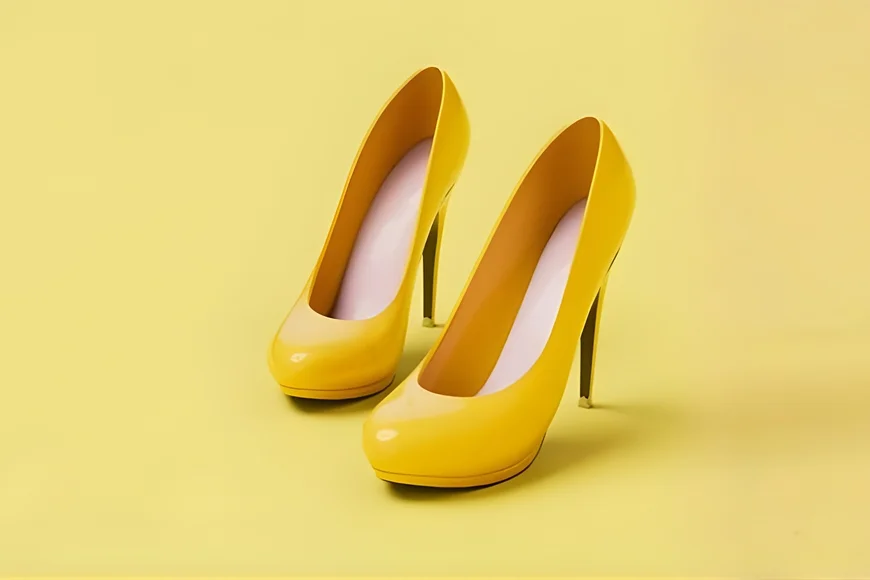
The world of fashion is moving at a rapid pace, and trends are coming and going at a high pace. Today chunky sneakers are in demand, tomorrow it’s sleek minimal designs. Keeping up with such a wide range of trends tend to be exhausting and expensive as well.
You don’t need to constantly replace your footwear to stay stylish, as a matter of fact. Shoes that adapt to changing trends while maintaining versatility, comfort, and longevity, holds the key in choosing shoes.
With this guide, you’ll be able to make faster and smarter footwear choices, which stay relevant across different seasons. Thus, you’ll be able to come up with a collection that evolves with fashion, rather than chasing it.
Understand the Difference Between Trends and Timeless Style
Understand the difference between trendy and timeless, before you start shopping for your next ultimate pair. Influenced by fashion cycles, trends are generally short-lived. On the other hand, timeless designs have a long-lasting appeal, regardless of the season.
Classic white sneakers, neutral-tones loafers, and simple leather boots are a few examples of timeless shoes, which have remained relevant for years. Nevertheless, there are ultra-bold designs or highly specific silhouettes, which fade away quickly.
Thus, building a flexible shoe collection requires you to:
- Purchase timeless base styles
- Add a few trend-driven pieces each season
Your footwear will assuredly remain current with a balanced approach. It doesn’t get too outdated too quickly.
Prioritize Versatility in Design
Shoes that adapt well to changing trends are usually versatile. They can be styled in multiple ways and paired with a wide range of outfits.
Look for:
- Neutral colors like black, white, beige, or tan
- Clean silhouettes that work for both casual and semi-formal looks
- Minimal embellishments that won’t limit styling options
A versatile pair of shoes can transition from day to night, work to weekend, or even across seasons. This flexibility makes them a valuable addition to any wardrobe.
Focus on Quality Over Quantity
Buying fewer, high-quality pairs is far more effective than constantly replacing low-quality ones. Well-made shoes not only last longer but also tend to age better in terms of style.
Key features to consider:
- Durable materials such as genuine leather or high-grade synthetics
- Strong stitching and solid construction
- Comfortable soles that support everyday wear
Quality shoes often maintain their shape and appearance, making them easier to adapt to evolving trends.
Choose Adaptable Silhouettes
Certain shoe shapes are more adaptable than others. When trends shift, subtle variations in these silhouettes often remain in style.
Some adaptable options include:
- Low-cut sneakers
- Chelsea boots
- Loafers
- Simple sandals
These designs can easily align with current trends through minor updates in color, texture, or styling, without requiring a complete wardrobe overhaul.
Pay Attention to Color Trends (Without Overcommitting)
Color plays a huge role in fashion trends. Each season introduces new trending shades, but that doesn’t mean you need to replace your entire shoe collection.
Instead:
- Stick to neutral base colors for majority of your shoes
- Introduce trend colors through one or two statement pairs
- Use accessories or outfits to complement trending tones
This way, you stay current without making your collection feel outdated when trends change.
Balance Comfort with Style
Fashion trends may change, but comfort remains constant. Shoes that are uncomfortable are unlikely to stay in your rotation, regardless of how trendy they are.
When choosing adaptable shoes:
- Ensure proper fit and cushioning
- Look for breathable materials
- Consider your daily activities and lifestyle
Comfortable shoes naturally become your go-to options, making them more relevant across different trends and occasions.
Watch How Trends Evolve
Trends rarely appear out of nowhere; they often evolve from previous styles. By observing these patterns, you can make smarter purchasing decisions.
For instance:
- Chunky sneakers evolved from athletic footwear
- Minimalist designs emerged as a response to bold fashion cycles
- Retro styles often return with modern updates
Understanding these shifts allows you to choose shoes that sit between current and emerging trends, giving them a longer lifespan.
Purchase Transitional Styles
Some shoes are particularly effective during seasonal transitions. These styles help bridge the gap between changing weather and fashion trends.
Examples include:
- Lightweight boots for autumn and spring
- Breathable sneakers suitable for both warm and mild climates
- Closed-toe flats that work across multiple seasons
Transitional shoes are inherently adaptable, making them a practical choice for staying stylish year-round.
Keep Your Collection Curated
A cluttered shoe collection makes it harder to adapt to trends. Instead of holding onto every pair, focus on maintaining a curated selection.
Tips for managing your collection:
- Remove worn-out or outdated styles
- Keep only what you regularly wear
- Rotate shoes based on season and trend relevance
A well-organized collection allows you to easily identify gaps and make thoughtful additions.
Experiment Without Overcommitting
Trying new trends is part of the fun of fashion. However, it’s important to experiment wisely.
Here’s how:
- Start with affordable versions of trend-driven styles
- Test how they fit into your wardrobe
- Upgrade to higher-quality options if the trend proves lasting
This approach minimizes risk while still allowing you to stay current.
Consider Sustainability and Longevity
Modern consumers are increasingly mindful of sustainability, and choosing adaptable shoes aligns ideally with this mindset.
By spending in shoes that last longer and remain stylish across trends, you:
- Reduce waste
- Save resources
- Build a more responsible wardrobe
Look for brands that focus on durability, ethical production, and timeless design principles.
Style Matters: How You Wear Your Shoes
Sometimes, adapting to trends isn’t about buying new shoes, it’s about styling them differently.
For example:
- Pair classic sneakers with tailored outfits for a modern look
- Style boots with cropped trousers to match current trends
- Combine loafers with casual wear for a relaxed yet polished appearance
Small styling changes can make existing shoes feel fresh and trend-aligned.
Stay True to Your Personal Style
While trends can influence your choices, your personal style should always guide them. Shoes that align with your preferences are more likely to remain relevant in your wardrobe.
Ask yourself:
- Does this pair match my everyday outfits?
- Will I wear it beyond the current trend cycle?
- Does it reflect my personality and lifestyle?
When your choices are rooted in personal style, adapting to trends becomes much easier and more natural.
Quick Checklist: Choosing Trend-Ready Shoes
When shopping for shoes that can adapt to changing trends, keep a simple checklist in mind. Focus on neutral colors, clean silhouettes, and materials that age well. Make sure the pair can be styled with at least three different outfits in your wardrobe.
Check for comfort features like cushioning and proper fit, as these ensure long-term use. Avoid overly bold designs unless you plan to wear them short-term. Finally, think about seasonality, can the shoes transition between different weather conditions?
Following this quick checklist can help you make smarter, more adaptable footwear choices every time you shop.
Final Thoughts
Choosing shoes that adapt to changing trends isn’t about constantly chasing what’s new, it’s about making thoughtful, strategic decisions. By focusing on versatility, quality, and timeless design, you can build a footwear collection that evolves effortlessly with fashion.
Instead of reacting to every trend, aim to stay one step ahead by spending in pieces that offer both style and longevity. With the right approach, your shoes won’t just follow trends, they’ll adapt to them, keeping you stylish in every season.