How to Choose Shoes That Quickly Signal Style and Taste
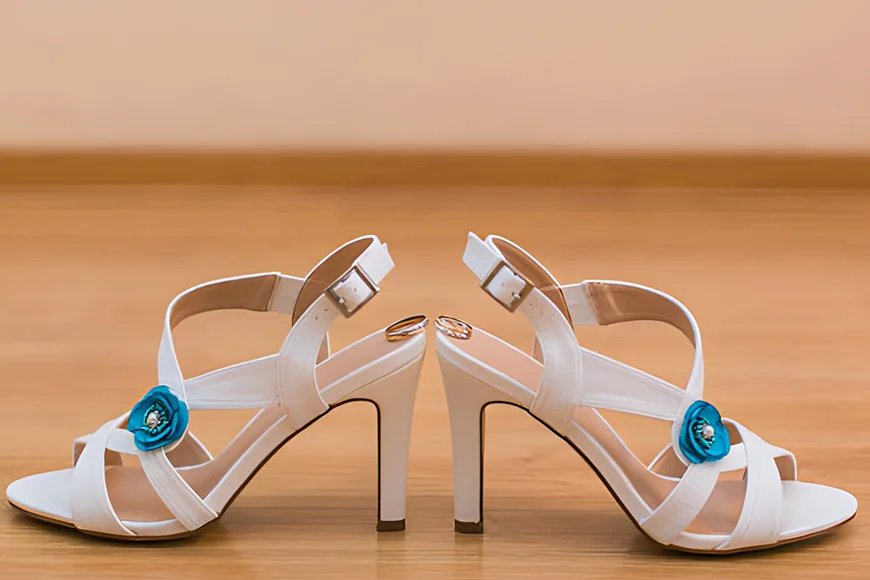
Imagine walking into a room where every eye gravitates toward your feet. Your footwear tells a story before you even speak a single word. It whispers about your attention to detail, your understanding of your proportion, and your personal flair. Selecting the right pair involves more than just picking a color; it requires a deep dive into the silhouette, material, and occasion.
When you master this art, you transform a basic outfit into a curated ensemble. This guide explores the essential steps to building a footwear collection that radiates sophistication and ensures you can project confidence with every single step you take.
The Reality of Shoes
Footwear serves as the foundation of any wardrobe. It anchors your look and provides the necessary balance to your overall silhouette. Many people focus heavily on shirts or trousers, yet they tend to neglect the very items that connect them to the ground.
To signal taste, you must look beyond the surface. You must understand how textures interact and how different shapes tend to complement your physical frame. Choosing the right shoes requires a blend of intuition and logic. By following a structured approach, you can curate a selection that works for every scenario life throws at your way.
Prioritize Silhouette and Shape
The shape of a shoe dictates the energy of your entire outfit. A sleek, tapered toe box suggests elegance and formality. On the other hand, a rounded or chunky sole projects a rugged, casual vibe.
In order to signal a high-level taste, align the shape of your shoe with the cut of your trousers. Wide-leg pants often require a more substantial sole to prevent the fabric from swallowing the feet. Slimmer trousers pair beautifully with narrow profiles like loafers or Chelsea boots.
Pay close attention to the “visual weight” of the shoe. If you wear a heavy wool coat, a dainty slipper might look out of place. Instead, opt for a sturdy leather boot. This harmony between the weight of your clothing and bulk of your footwear shows that you understand the mechanics of style.
You aren’t just putting on clothes; you are building a balanced architectural structure.
Focus on Material Integrity
Materials speak volume about quality. Natural leathers and suedes possess a depth of color and a tactile richness that synthetic alternatives often lack. When you choose shoes made from high-quality hides, you tend to notice how they develop a unique character over time. This aging process, known as patina, signals that tend to appreciate longevity and craftsmanship.
Suede offers a softer, more relaxed aesthetic. It works exceptionally well in earth tones like chocolate brown, sand, or olive. Use suede to bridge the gap between formal and casual settings. On the other hand, polished calfskin provides a sharp, crisp finish suitable for business or formal events.
Avoid overly glossy finishes that look plastic. Instead, look for a natural luster that suggests the leather has been well-maintained. Texture also plays a massive role. A pebbled leather adds a visual interest to a simple outfit, while smoother leather keeps things minimalist and clean.
The Power of Color Theory
Color selection is perhaps an immediate way to signal taste. While black remains a standard, various shades of brown, oxblood, and navy offer a more nuanced approach. A deep espresso brown often appears more sophisticated than basic black when paired with navy and grey suits. It adds warmth and dimension to your look.
Consider the “three-color rule” to keep your outfit cohesive. If your shoes, belt, and watch stap share a similar color family, you create a streamlined appearance. However, don’t feel the need to match shades exactly.
The thing is: slight variations in tone can actually make an outfit feel more organic and less forced. For those who want to project a bold personality, a subtle pop of color; like a forest green loafer or a burgundy boot, can serve as a brilliant focal point.
Just ensure the rest of your attire remains neutral to allow your footwear take center stage.
Master the Art of the Occasion
Style often boils down to appropriateness. Wearing a heavy hiking boot to a gallery opening feel discordant, just as wearing thin-soled loafers on a rainy city trek seems to feel impractical. To signal taste, you must demonstrate that you understand the environment.
The Professional Sphere: Stick to the classics. A clean derby or an oxford in a matter finish works wonders. These choices show respect for the setting while maintaining a sharp edge.
The Casual Weekend: Swap the athletic sneakers for a refined leather trainer or a desert boot. This transition elevates your casual look without sacrificing comfort. It shows that you put effort in your downtime.
Evening Socials: This is where you experiment with velvet slippers or sleek zip boots. These choices tend to signal a transition from the workday to a more creative and social headspace.
By matching your footwear to the event, you show signs of social intelligence. You prove that you are present and aware of the world around you.
Maintenance as a Style Statement
Nothing ruins a great pair of shoes faster than neglect. Scuffed toes, salt stains, and worn-down heels suggest a lack of discipline. If you want to signal taste, you must keep your footwear in excellent condition. This doesn’t require hours of work, but it requires consistency.
Use cedar shoes trees to maintain the shape of your leather shoes and absorb moisture. Wipe your shoes down after each wear and remove dust. Apply a quality cream or wax periodically to keep the leather supple.
When you maintain your shoes, they reward you with years of service. People notice when someone keeps their gear in order. It suggests a level of personal responsibility that extends beyond fashion.
It shows you value your possessions, and, by extension, yourself.
Comfort Enhances Confidence
You cannot project style if you are wincing in pain. You gait changes when your shoes don’t tend to fit well. You lose that effortless stride that defines a confident individual. So, always prioritize a proper fit.
Ensure there is enough room for your toes to move, but not so much that your heel slips. When you feel comfortable, you tend to move with grace.
You stand taller. Your clothes hang better. This physical ease is a silent signal of taste. It suggests that you have found the sweet spot between aesthetics and utility. You aren’t a slave to fashion; you use fashion to enhance your life.
The Importance of Versatility
A well-curated shoe collection doesn’t need to be massive. It needs to be versatile. Focus on acquiring pieces that work across multiple outfits. A medium-brown suede chukka boot, for example pairs just as well with a dark denim as it does with grey flannel trousers.
A white leather sneaker (kept spotless) can move from a summer suit to chinos with ease.
By choosing versatile pieces, you tend to simplify your morning routine. You create a “modular” wardrobe where everything works together. This efficiency is the hallmark if great style.
It shows that you have attentively selected each item for a specific purpose. You aren’t just buying things; you are building a toolkit for self-expression.
Final Thoughts on Personal Expression
Ultimately, your shoes should reflect who you are. While rules provide a helpful framework, your personal taste should always be the final judge. If you love a particular detail; like a unique stitch pattern or a specific hardware element: embrace it. Authenticity resonates more than following trends.
When you choose shoes that align with your personality, you wear them with a different kind of energy. You don’t just put them on; you tend to inhabit them. This alignment between your internal self and your external appearance is the true secret to a signalling taste. It creates a cohesive image that feels intentional and grounded.
In a world of fast-moving trends, sticking to quality materials, classic shapes, and proper maintenance sets you apart. You become the person who understands the nuances. You become the person who knows that style starts from the ground up.
Take the time to evaluate your current collection. Identify the gaps. Divert your attention into finding those few pairs that truly speak to your aesthetic. When you do, you wont just be wearing shoes; you will be making a statement every time you step out of the door.